The Singapore Hindi Writers’ Festival is looking beyond celebrating a language to building a regional literary community where a new generation can write, create and connect through Hindi.
The third edition, organised by Ms Mamta Mandal through the Global Hindi Foundation (GHF), brought together writers, poets and thinkers from Singapore, Malaysia and India at Trio Auditorium on Sept 26. More than 18 Singapore-based writers participated alongside overseas voices across three generations.
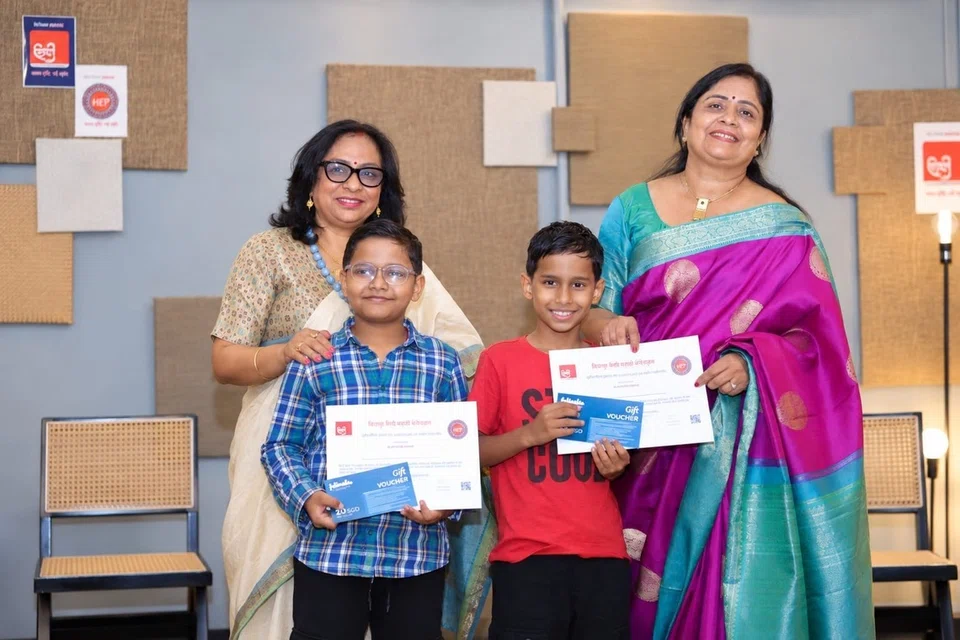
Held to mark Hindi Diwas, the festival centred on the theme: “From words come thoughts, from thoughts comes culture, and from culture grows a new generation.”
For Ms Mamta, founder and festival curator, the event has evolved considerably since its beginnings.
“When I started the festival, the goal was simple: To create a space for Hindi writers and readers in Singapore to celebrate literature,” she said. “Three editions later, the conversation has expanded. It is now about identity, cultural memory and how mother tongue literature helps our youth connect to their heritage while fully integrating into Singapore’s multicultural fabric.”
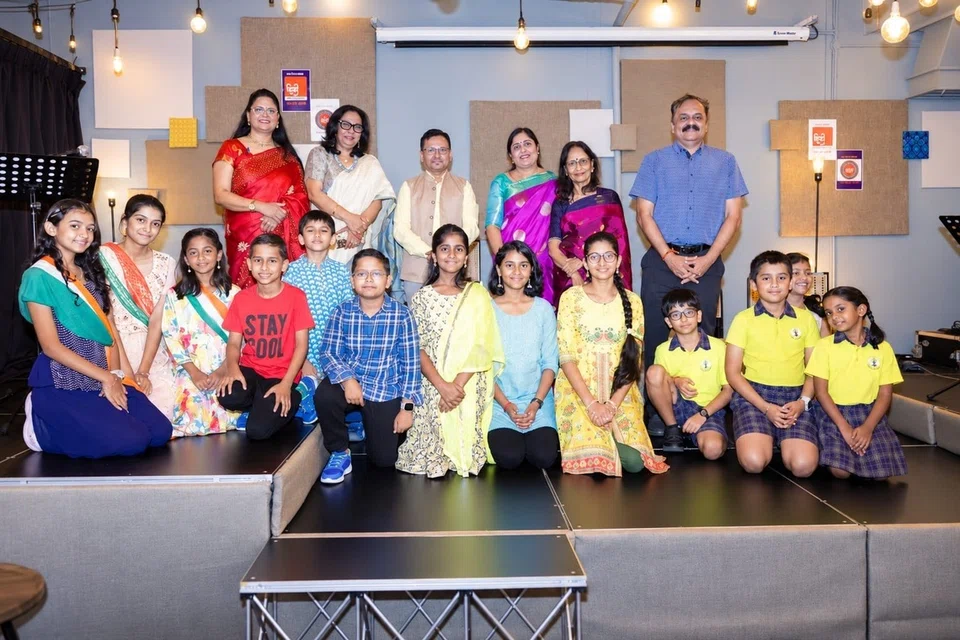
The festival comes as GHF marks its 10th year in Singapore. Ms Mamta now wants to develop a year-round ecosystem where writers are nurtured, and Hindi is treated as a “living language”, rather than merely an academic subject.
That challenge is particularly relevant among younger Indians in multilingual Singapore.
“Youth will not embrace a language out of duty; they need to see its practical and creative value,” Ms Mamta said. “Can they write poetry, tell their stories, or connect across generations in Hindi? If yes, the language becomes alive.”
One highlight was Mr Puneet Oza’s reading from Geeton Mein Geeta, which transforms complex verses from the Bhagavad Gita into accessible Hindi poetry.
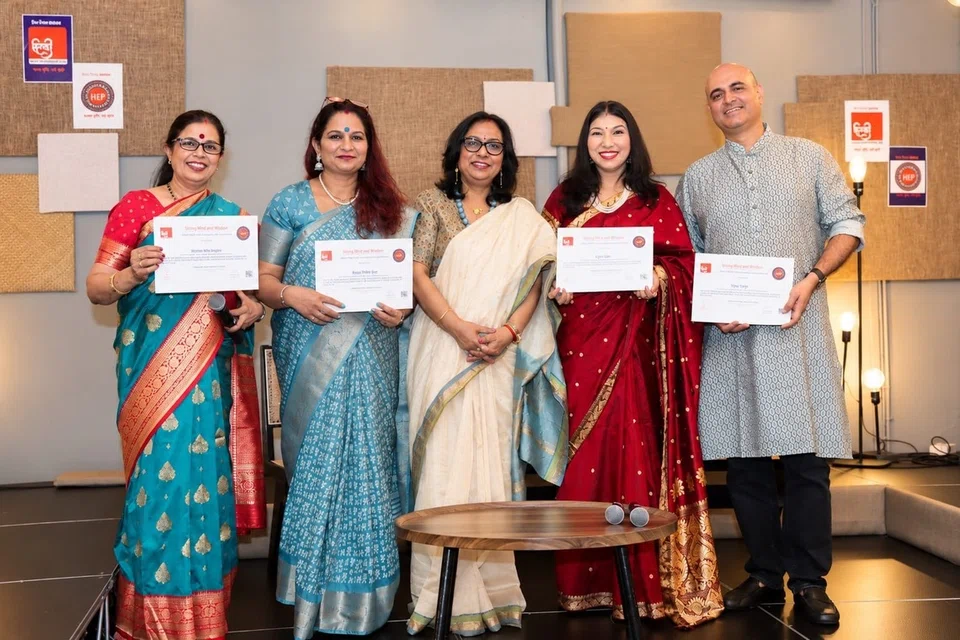
Another highlight was an engaging authors’ panel featuring author-translator Sunanda Verma and writers-poets Aradhana Jha Shrivastava and Neetu Gujral.
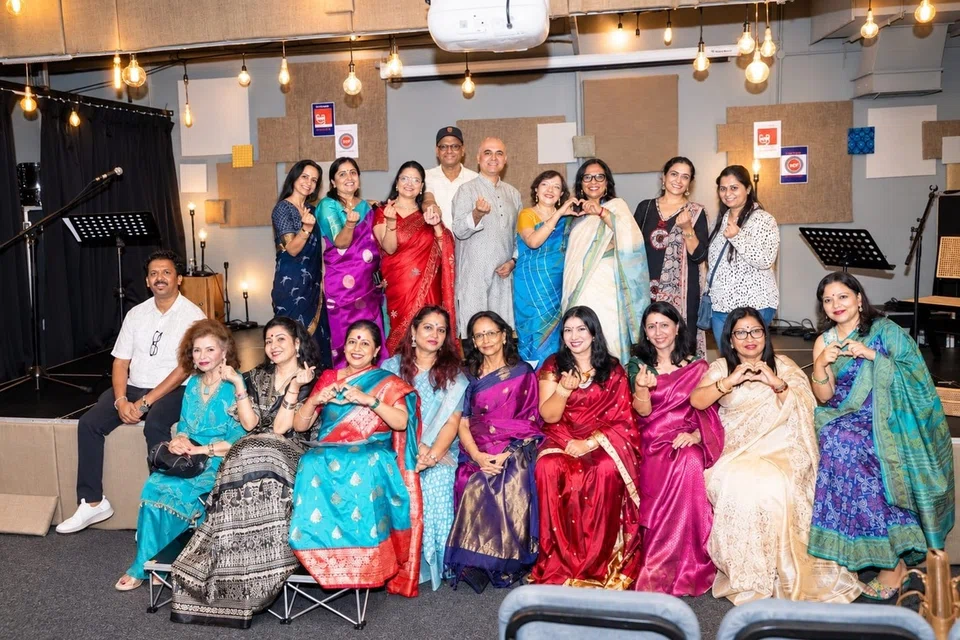
Ms Neetu said the festival demonstrated that “the strength of the Hindi language extends far beyond its traditional borders”, adding that Ms Mamta had succeeded in bringing diverse literary voices together. She described sharing the panel with Ms Sunanda and Ms Aradhana as a “fulfilling and happy experience”.
Student presenters also received a warm response from the audience, something Ms Mamta saw as evidence that young people were willing to engage with their mother tongue when given the opportunity.
The international participation added another dimension.
Malaysian author and poet Anju Purohit joined Singapore’s Chitra Gupta in discussing their craft, while Ms Sunanda read from her book Hanuman and spoke about why literal translations can sometimes fall short.
Keynote speaker Maneesh Tripathi discussed Hindi’s growing international relevance, while guest of honour Arvind Srivastava from the High Commission of India spoke about the language’s progress overseas. Ms Shweta Verma Singhal performed her award-winning song Ja Re, Ud Ja Re Panchhi.
Author Capt Vinod Dubey, who shared readings from his book Dear X, described participating in the festival as much more than attending a literary event.
For him, it was a “meaningful exchange of ideas, art, and heartfelt emotion”, with the connection established between writers and the audience making the experience particularly memorable.
Ms Mamta believes Singapore is particularly well placed to connect such diverse voices.
“A Singaporean writer explores local migration and belonging, while a Malaysian writer brings distinct heritage insights,” she said. “When they meet, Hindi bridges cultures rather than dividing them.”
Beyond the festival, GHF supports local writers through the Prerna Awards, storytelling workshops and publications such as Singapore Navras, its Hindi poetry collection from Singapore. It is also working with Hindi-teaching schools to encourage children to read and write creatively.
Ms Mandal’s longer-term ambition is to turn the festival into a Southeast Asian literary bridge, with more translations, young writers being published and year-round partnerships across the region.
“I don’t want Singapore to just consume Hindi literature; I want us to create it,” she said.
And ultimately, she added, success is not about numbers: “If a young person in Singapore finds the confidence to write their first Hindi poem through this platform, that impact matters far more than numbers.”