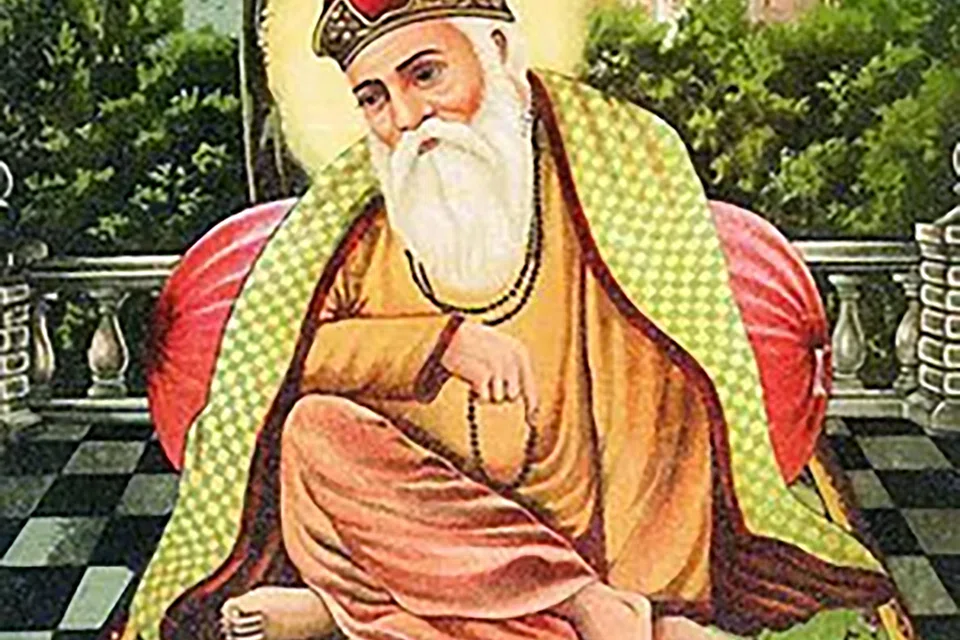
As Sikhs in Singapore and around the world prepare to celebrate the birth anniversary of Sri Guru Nanak Sahib Ji on Nov 24, his teachings of equality, compassion, honest living and universal brotherhood continue to resonate across religious and cultural boundaries.
Known as Gurpurab, the occasion commemorates the birth of the founder of Sikhi in 1469 at Rai Bhoi di Talwandi, now Nankana Sahib in Pakistan.
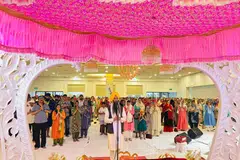
Gurdwaras will welcome devotees for prayers, devotional hymns and community meals, while families gather to reflect on the Guru’s enduring spiritual legacy.
More than 550 years after his birth, Guru Nanak’s message remains particularly relevant in multicultural societies such as Singapore, where religious harmony and mutual respect are fundamental to social cohesion.
Central to his teachings is Ik Oankar, the belief in one Divine Reality, emphasising that all human beings share a common origin and deserve equal dignity and respect.
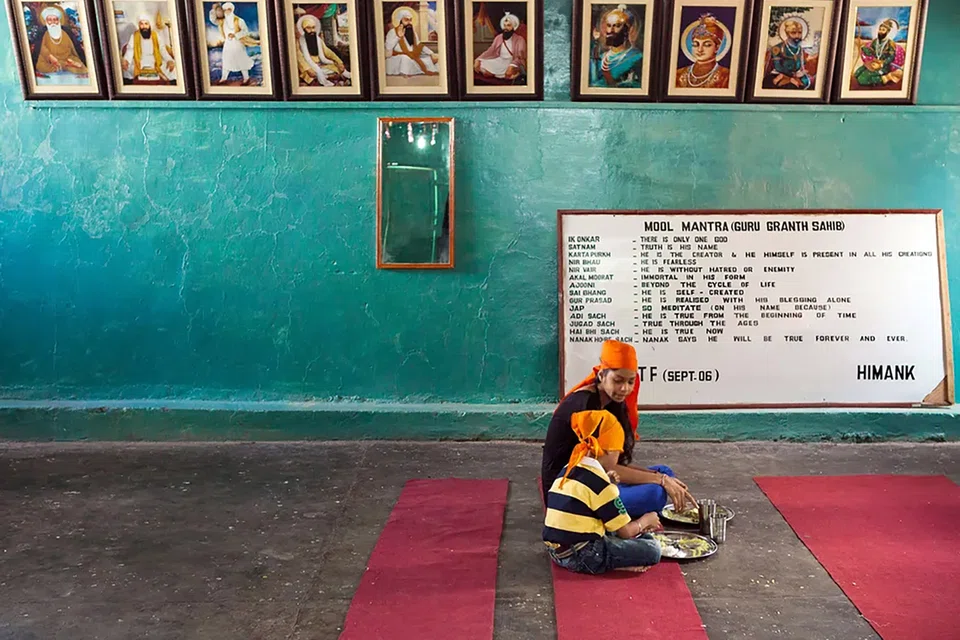
Guru Nanak challenged discrimination based on caste, birth and gender, advocating a society founded on compassion and equality.
His teachings are commonly expressed through three principles: Kirat Karni, earning an honest living; Naam Japna, remembering the Divine; and Vand Chhakna, sharing one’s resources with others.
These values encourage integrity, spiritual awareness and generosity in everyday life.
One of the most visible expressions of this philosophy is Langar, the community kitchen where people, regardless of religion, ethnicity or social standing, sit together and share free meals.
Guru Nanak’s influence also extended beyond religious boundaries. Revered as a spiritual teacher across communities, he travelled widely, engaging people through dialogue, music and reflection.
His close friendship with Bhai Mardana Ji, a Muslim musician who accompanied him on his journeys, symbolised this spirit of interfaith understanding.
Guru Nanak also championed women’s dignity, questioning attitudes that treated women as inferior.
His teachings continue to offer lessons for societies confronting intolerance, inequality and division.
For Singapore’s diverse communities, Gurpurab is therefore more than a religious celebration. It is a reminder that mutual respect, selfless service and shared humanity can transcend differences.
The enduring message is simple: true devotion is reflected not merely in prayer, but in how people treat one another.