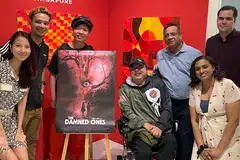
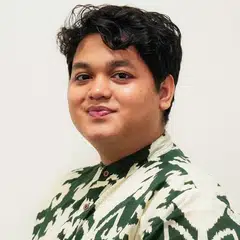
Eco-Cupid Film Festival brought together environmentalists, filmmakers, and journalists to the youth-centric lifestyle space *SCAPE at Treetop Grove on Aug 29.
Eco-Cupid’s name comes from the way the company functions as a matchmaker.
As a media platform targeting youths, they aid with environmental and corporate deliverables but also aim to connect causes to clients and build a directory of different environmental organisations.
“It’s not a dating platform, but we are connecting these environmental projects so that they can maybe scale up the initiatives that they’re doing,” said co-founder of Eco-Cupid, Mr Pranav Krishna Prasad.
Mr Pranav’s entrepreneurial and grassroots beginnings started when he volunteered in SINDA’s youth leadership programme at 19. Since then, he has joined several fellowships, launched start-ups, with Eco-Cupid being one of them, and is now a board member of *SCAPE.
Mr Pranav, 26, and his co-founders realised that all across ASEAN, people were still largely unaware of how to support or even of the existence of environmental initiatives and organisations, which is how the idea for the start-up began.
Today, the company is endorsed by the SG Eco Fund under the Ministry of Sustainability and the Environment.
Some of the films in the lineup included Itam: A Sun Bear Story, Malaysia’s first feature-length wildlife documentary, and Seaward, a local documentary exploring the effects of land reclamation on sea life.
The festival was separated into three parts: morning, afternoon and evening.
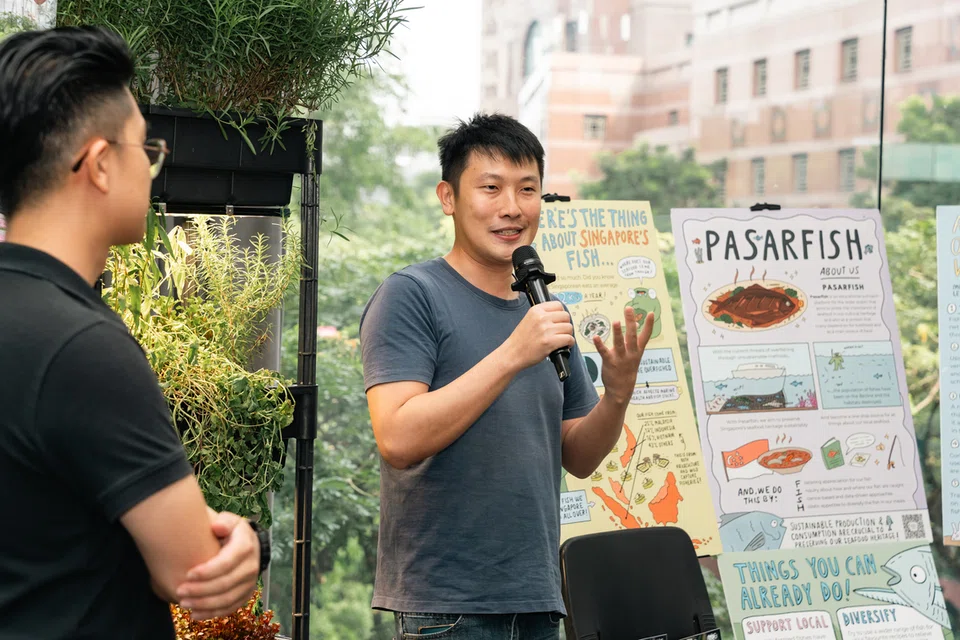
While the latter sessions focused on media and corporate, the morning segment focused on community and grassroots organisations, like Pasarfish, a platform that advocates for fishing conservation and sustainability. The organisations also had booths throughout the morning segment to allow audiences to interact and learn more about them.
Going beyond just film, the event also held significance for journalism, with both the afternoon and evening sessions having panels with science communicators and journalists who shared their thoughts on the issues and how to tell stories from them.
“How do we actually get people to listen? The traditional way we’ve been doing it all these years has only gotten us this far, which clearly isn’t working. So then to come together with other journalists to kind of look back and reflect as to how do we have to how do we proceed from here on.
“How do we actually get the youth involved? How do we get them interested in reading and increasing their knowledge on these companies? Do we have to pursue different media channels? All of that, all of those discussions are important,” said Mr Pranav.