
In a world increasingly shaped by rapid change, difference, and uncertainty, moments that remind us of our shared values matter more than ever. Vaisakhi, a significant Sikh festival observed every April, is one such moment.
Vaisakhi commemorates the birth of the Khalsa, a community bound by discipline, moral courage and a responsibility to uphold justice, in 1699. When the tenth Sikh Guru, Guru Gobind Singh, gathered the community at Anandpur Sahib in Punjab and issued an extraordinary call, he did not ask for words or pledges, but for sacrifice.
Five individuals from different backgrounds stepped forward in complete faith. They became known as the Panj Pyare (Five Beloved Ones), and through them, the Khalsa was formed.
For Sikhs, it marks a sacred milestone; for Sikhs in Singapore, it is also a powerful reminder of the principles that help bind a diverse society together – courage, equality, and service.
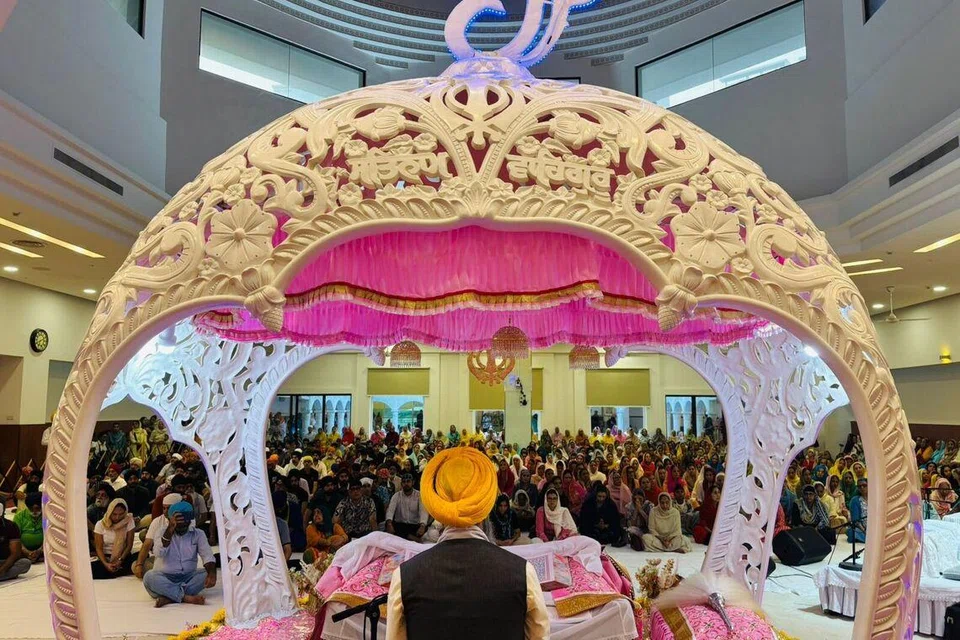
In honour of Vaisakhi, the Central Sikh Gurdwara Board (CSGB) organised a series of festive programmes from April 12 to 14.
Established under the Central Sikh Gurdwara Act in 1981, the Board runs two major Sikh places of worship: the Central Sikh Temple (CST) at Towner Road and the Silat Road Sikh Temple (SRST) at Jalan Bukit Merah.
“This arrangement caters to a larger Sikh congregation as well as the Sikh Centre, which is housed in the seven-storey building adjoining the SRST,” said CSGB president Amritpal Singh Randhawa.
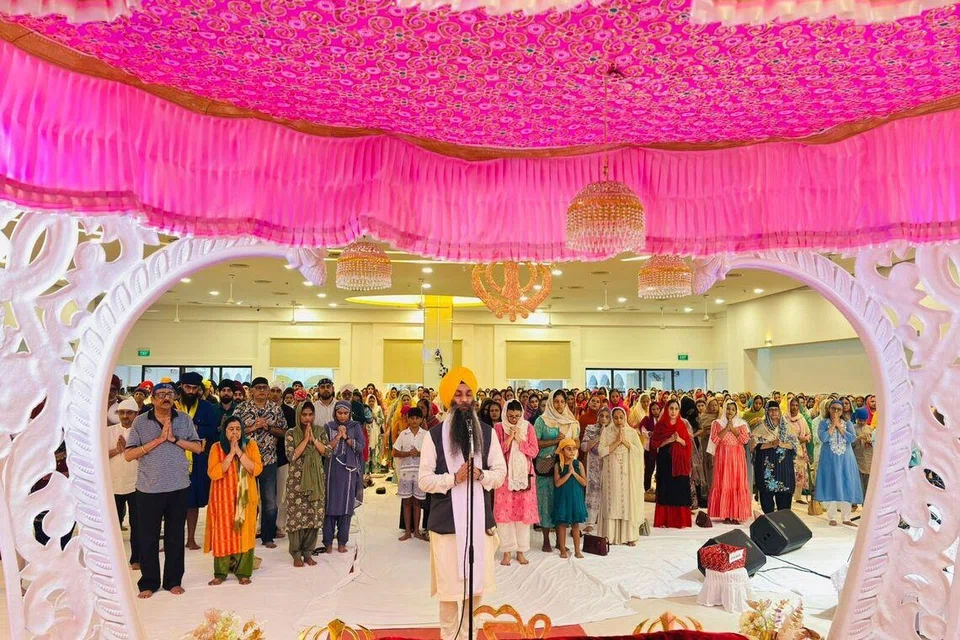
The Vaisakhi celebrations at the two gurdwaras included various scheduled Sikh hymns and prayer sessions, drawing around 3,500 attendees across the three days of festivities.
Mdm Paremjit Kaur, an administrative executive, participated in the morning divan (event), where the Asa di Vaar (Ballad of Hope) was recited, and Gyani Jagsir Singh delivered the subsequent katha (interpretation of Sikh scripture and history) at SRST on April 14.
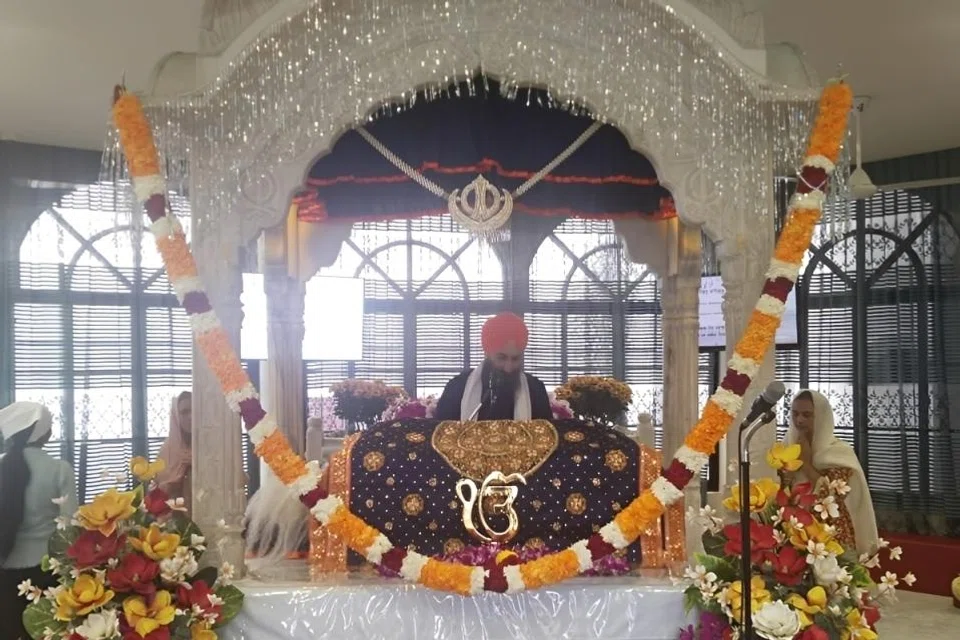
She later joined the sangat (congregation) at CST in the evening for the Akhand Path da Bhog, the concluding ceremony to the continuous and uninterrupted recitation of the Guru Granth Sahib (Sikh scripture).
“The whole atmosphere was spiritual and joyful at the same time. Being in the gurdwara naturally draws you closer to your faith,” Mdm Paremjit said.
In Singapore, the relevance of Vaisakhi extends well beyond religious observance. The local Sikh community, numbering about 12,000, has a long history of service, from early contributions to public security to present-day social outreach.
Vaisakhi celebrations here are as much about connection as they are about prayer. Langar (community kitchen meals) are prepared and shared with all, regardless of background, reaffirming that everyone is equal and no one is excluded.
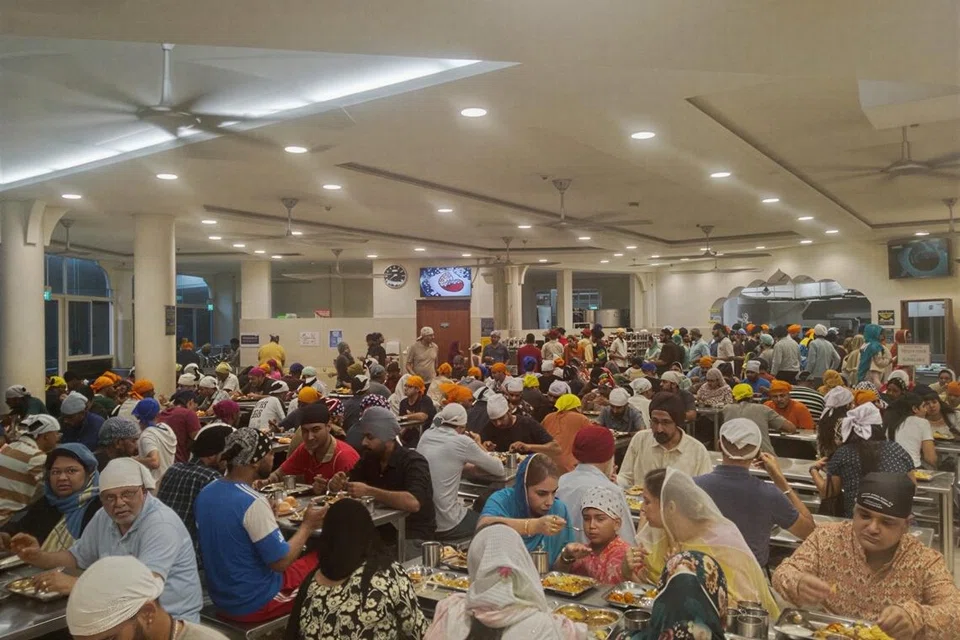
Another attendee, Mdm Sukhbir Kaur, a customer service officer, noted that the “food was prepared with so much passion, love, and prayer” while the volunteers who served the meals were “excellent, very humble, and disciplined”.
These acts reflect the deeper meaning of Vaisakhi: it is not only about remembering history, but about living the enduring Sikh values of selfless service, remembrance of God, equality, unity, and fearlessness in the face of adversity.
“It is about the everyday moments,” said SRST chairperson, Dr Narinder Kaur. “Reaching out to fellow Sikhs and non-Sikhs, sharing langar as equals, and wishing one another good health and well-being.”
Both the SRST and the CST also observed the Nishan Sahib Salami or flag-changing ceremony on April 12 and April 13 respectively.
The sacred, triangular flag of the Sikhs symbolises spiritual sovereignty, unity and the presence of a gurdwara. “It is changed a few times a year to maintain the vibrancy of the flag and colours,” said CST chairman Jasmindar Singh Gholia.