
What began with 50 families seeking solidarity and a connection to their cultural roots has grown into a 2,300-member organisation that has become an important part of Singapore’s multicultural landscape.
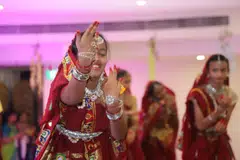
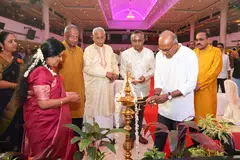
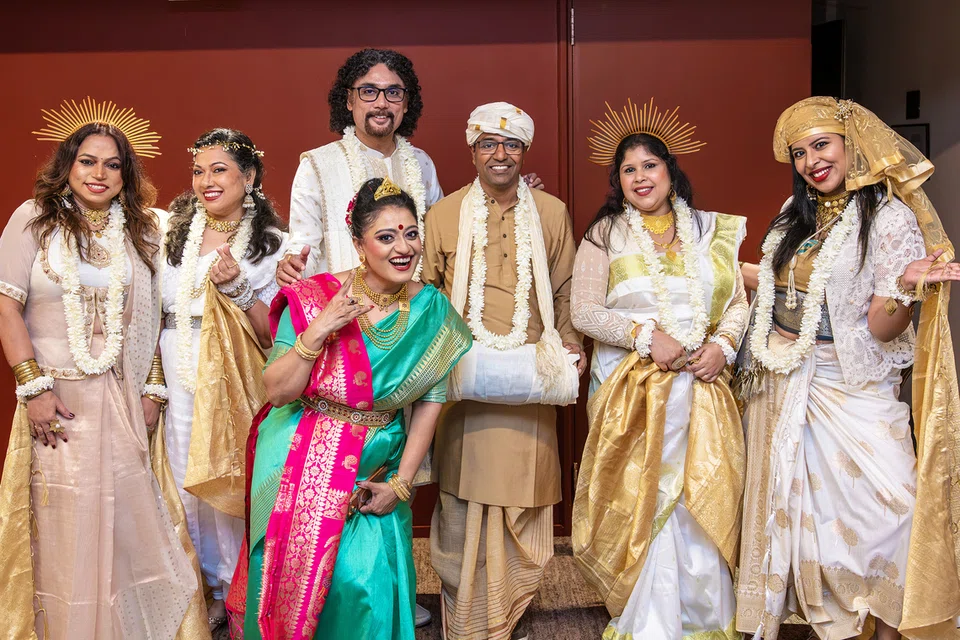
The Bengali Association Singapore (BAS) celebrated that seven-decade journey with its 70th-anniversary milestone event, BAS@70 – Shikorer Theke Shikhar, or From Roots to Pinnacle, at the KC Arts Centre – Home of SRT on Aug 29.
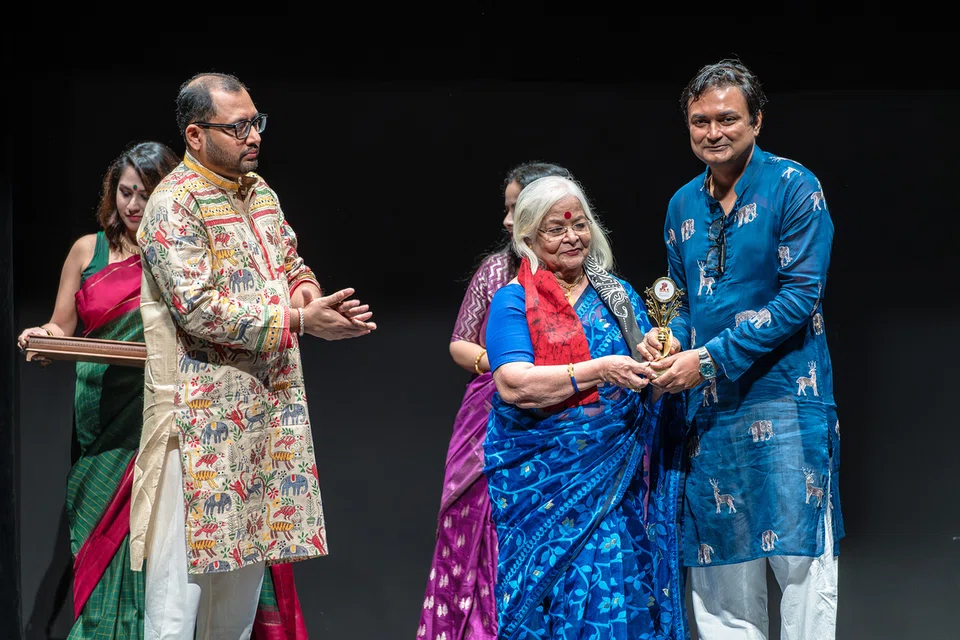
For BAS, the anniversary was as much about remembering the pioneers who built a “home away from home” as preparing a younger generation to take the community forward.
“BAS@70 marks seven decades of remarkable cultural preservation and community bonding in the Lion City,” the president Debananda Ghosh said, describing the association today as an “intergenerational bridge” connecting different generations with their Bengali roots while contributing to multicultural Singapore.
BAS traces its formal beginnings to Sept 10, 1956, when its constitution was registered. Founded by a core group representing 50 families, it emerged from a need for community solidarity and mutual support in post-war Singapore.
Its original objectives included promoting socio-cultural welfare, recreation and educational support among Bengali and Indian residents.
As Singapore transformed, so did BAS. Its membership expanded to more than 2,300, while its activities evolved from traditional cultural gatherings into a broad calendar encompassing festivals, theatre, cinema, sports, health and wellness, education and community outreach.
One of its earliest milestones came in 1960 with the launch of Milon, its community magazine. The publication began modestly as a hand-compiled journal painstakingly put together in a British Army office.
Over the decades, Durga Puja became BAS’s flagship celebration, growing into a major event attracting more than 15,000 people. The association also gained national recognition through participation in National Integration Council dialogues.
More recently, initiatives such as the Bengali Film Festival have expanded the ways in which BAS connects the diaspora with its language, arts and cultural heritage.
Its role has also extended beyond cultural preservation. BAS organises blood donation drives, financial literacy programmes, health screenings and wellness activities, while supporting youth and grassroots initiatives.
Its annual Confluence celebration seeks to bring people of different backgrounds together, reflecting the association’s belief that preserving Bengali identity and participating fully in Singapore society are complementary rather than competing goals.
That evolution was captured in the anniversary theme, From Roots to Pinnacle.
The opening production, directed by Soumi Roy, took audiences through three phases — “Then”, representing BAS’s roots; “Now”, reflecting its contemporary cultural expression; and “Next”, imagining its future.
The production revisited the 1960s, 1970s and 1980s through old photographs and memories before moving into present-day BAS life. It then took a humorous leap to 2046, imagining robots managing Puja pandals while Bengalis continued debating the finer points of Sandhi Puja rituals.
The second segment returned to another longstanding Bengali passion – theatre. Ke Kaar Bou?, directed by Indranil Banerjee, brought marital confusion and mistaken identities to the stage in a fast-paced comedy adapted locally from a script by Nobel laureate Dario Fo.
Perhaps the most significant change at 70, however, is generational.
The current Management Committee, led by Mr Debananda, comprises younger leaders, many around 40 and established in their professional careers. Singapore-born Bengalis are increasingly involved in performances, technical production and marketing.
Children and teenagers are being engaged through junior music and creative programmes, while youth musicians are encouraged to combine Bengali folk traditions with pop, rock and jazz.
Looking towards its 75th anniversary and eventually its centenary, BAS wants to become an even stronger global platform for Bengali culture while remaining a welcoming first home for new immigrant families.
The leadership also hopes to showcase members’ talents through films, musicals, literature and other creative platforms, strengthen mentorship and knowledge-sharing, and deepen its contribution to community integration in Singapore.
Most importantly, it wants children to form friendships, discover the Bengali language and create their own memories within BAS.
After 70 years, that may be the association’s most important measure of success: not simply preserving what its pioneers created in 1956, but ensuring every new generation finds its own reason to carry it forward.